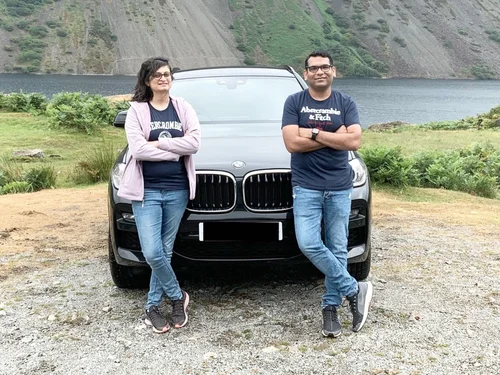
Nupur helped my wife and me think through where we should build our future across the UK, US, and India. What really stood out was her ability to cut through the noise and offer sharp, actionable insights. Her approach was thoughtful, result-oriented, and always to the point — no fluff, just real value. Thanks to Nupur, we now have a much clearer view of our short- and long-term goals, and a stronger sense of direction moving forward. Highly recommend her to anyone navigating complex life decisions as an NRI.
— Rajan (UK)
★★★★★
Candid perspectives on working life in India. Benefited enormously.
— Jaydeep, Dubai → Bengaluru
★★★★★
Finally at peace with this decision running in my head for years.
— Rohan, USA → Mumbai
★★★★★
Her ONE question got me thinking so deeply. Absolutely STELLAR.
— AK, New Jersey
★★★★★
Bold, thought-provoking questions. Best suited to your needs.
Nupur works 1-on-1 with NRIs navigating the India question — whether it's moving back, building a career, managing cross-border finances, or simply figuring out what they actually want. Sessions are structured, direct, and designed to give you clarity you won't get from friends, family, or the internet. If you're confused, overwhelmed, or tired of conflicting advice — this is for you.
The Process
1
Understanding you. Nupur gets to know your personality, preferences, behaviours, and goals — asking the questions that surface what's really going on, not what you think is going on.
2
Separating fantasy from reality. Based on your answers, she identifies whether this is fantasy, fluff, or a genuine decision. Having done this with 10,000+ NRIs, she can predict what happens next based on patterns.
3
Prediction & action plan. If you do X, here's what will happen. A personalised plan — you walk out with clarity on what to do next, the repercussions of your decisions, and a concrete timeline.
What We Cover
Your session, your agenda. Discuss any combination of these in 90 minutes.
Return to IndiaThe full decision framework
Career coachingStrategy, positioning, priorities
Resume & LinkedInTargeted feedback for India
Interview prepMock interviews, structure
Salary negotiationMarket rates, blind spots
Job introsWarm connects, case by case
City selectionWhere to live and why
Financial planningCross-border, NRE/NRO
Property referralsVetted developers, law briefing
Tax & CA referralsUS–India, FEMA compliance
Estate & willsCross-border inheritance
Culture shockPrep and expectations
300+ NRIs have landed jobs through Nupur's help
At Google, Amazon, OpenAI, and startups in India and abroad.
Packages
Basic
$89
30 minutes
Focused Q&A on your situation
Experience Nupur's coaching style
Map out what a full session covers
✕Detailed strategy & diagnosis
✕Personalised action plan
💡 Credited towards the Deep Dive
Recommended
Deep Dive
$375
90 minutes
Detailed strategy & diagnosis
Root-cause analysis
City, lifestyle, culture shock, financial planning
Personalised action plan
Written summary
Follow-up via email
2 × 10-min SOS calls (1 month)
Warm intros — VCs, hiring managers
WhatsApp group access (relevant cases)
Testimonials
"
★★★★★
"She asked me questions to know me better professionally and personally, reviewed my resume, and asked my actual reasons to move back. By challenging my thoughts, she helped me find the root cause. She made me feel comfortable, as if talking to a close friend you can trust."
— Nitish · Career & relocation
"
★★★★★
"Nupur listens... like really listens. When I started talking to her, I was in a whirlwind of dilemma. After my first session, all I felt was a calmness I had forgotten I could feel. Her counsel was invaluable."
— Saptarshi · Emotional clarity
"
★★★★★
"We have been looking for guidance for so long. The discussion helped us face the hard questions many of us try to avoid. She helped us look from the long-term perspective. We would definitely recommend her."
— Deepak & Parul · Relocation as a couple
"
★★★★★
"I felt so comfortable speaking to Nupur. She's like a big sister who really motivated me and pointed me to the right directions. She heard all my issues and provided me with options to move ahead."
— Piyush · The "big sister" vibe
Participate in India
The NRI Startup Lab
Developing an ecosystem for NRIs to participate in the Indian startup ecosystem.
Chapter 1
Angel Investment
Learn the ABCs of angel investing in Indian startups — over a limited series of sessions with domain experts. Come get your basic questions answered from people who've actually done it.
Expert-led sessions
Learn from people in the AIF and VC ecosystem.
Small group
Intimate enough to ask your specific questions.
Limited series
Structured curriculum, not random webinars.
This is for NRIs who are curious about angel investing in India but don't know where to start — deal structures, valuations, FEMA compliance, due diligence, and how to actually write your first cheque.
Another way for NRIs to participate in India's startup ecosystem — over a limited series of sessions with domain experts. Come get your basic questions answered.
Expert-led sessions
Learn from people in the ecosystem.
Small group
Intimate enough to ask your specific questions.
Limited series
Structured curriculum, not random webinars.
Details coming soon. Stay tuned for the next chapter of the NRI Startup Lab.
Apply →
Every session is facilitated by Nupur. Every participant is vetted. Every application is personally reviewed.
Events
Built for Connection & Trust
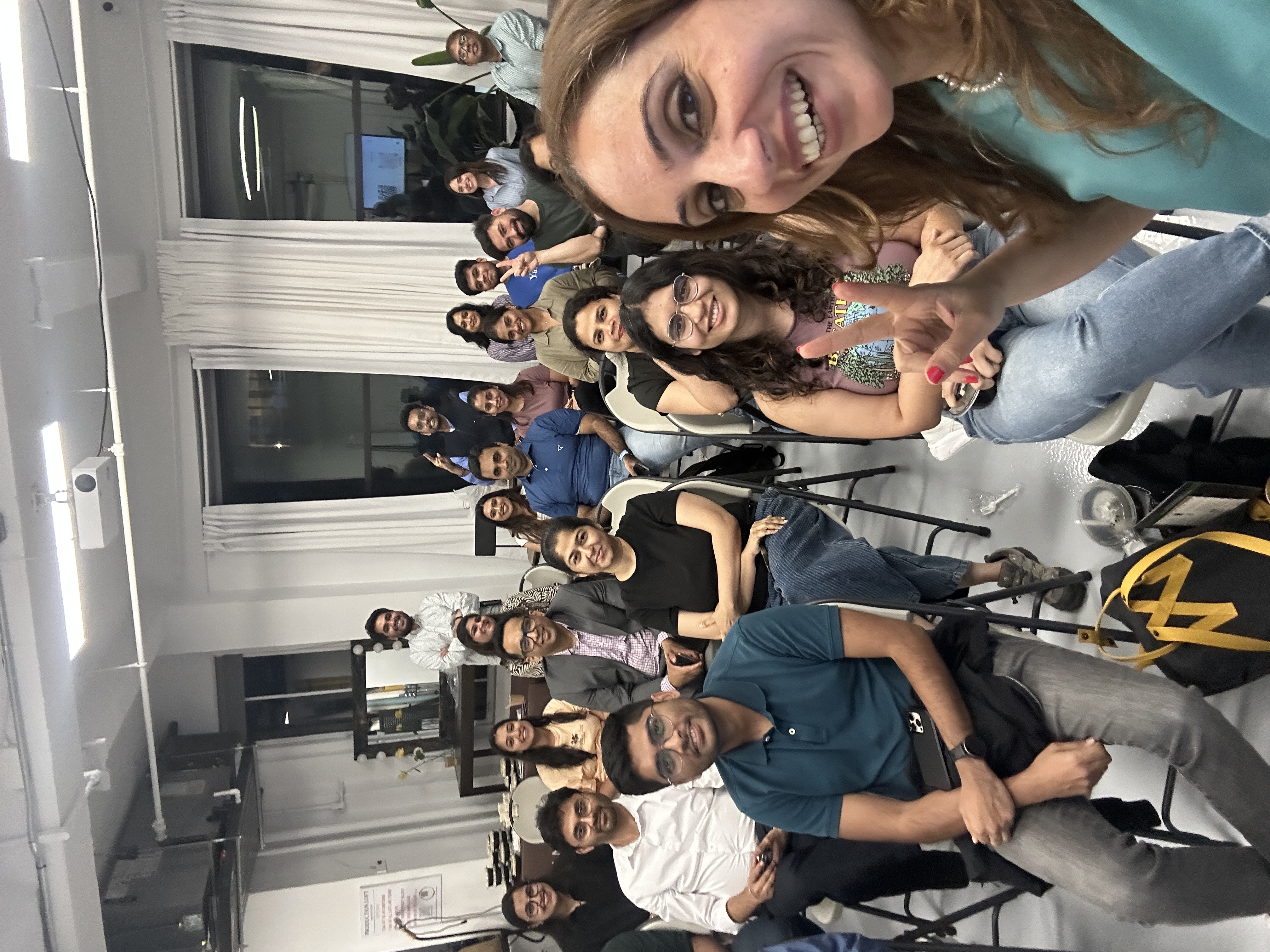
Nupur hosts two kinds of events across the world for NRIs — intimate, high-trust gatherings where real conversations happen. The NRI journey is isolating. The best decisions happen in a room with people who get it.
Event Type 1
Should You Move to India or Not?
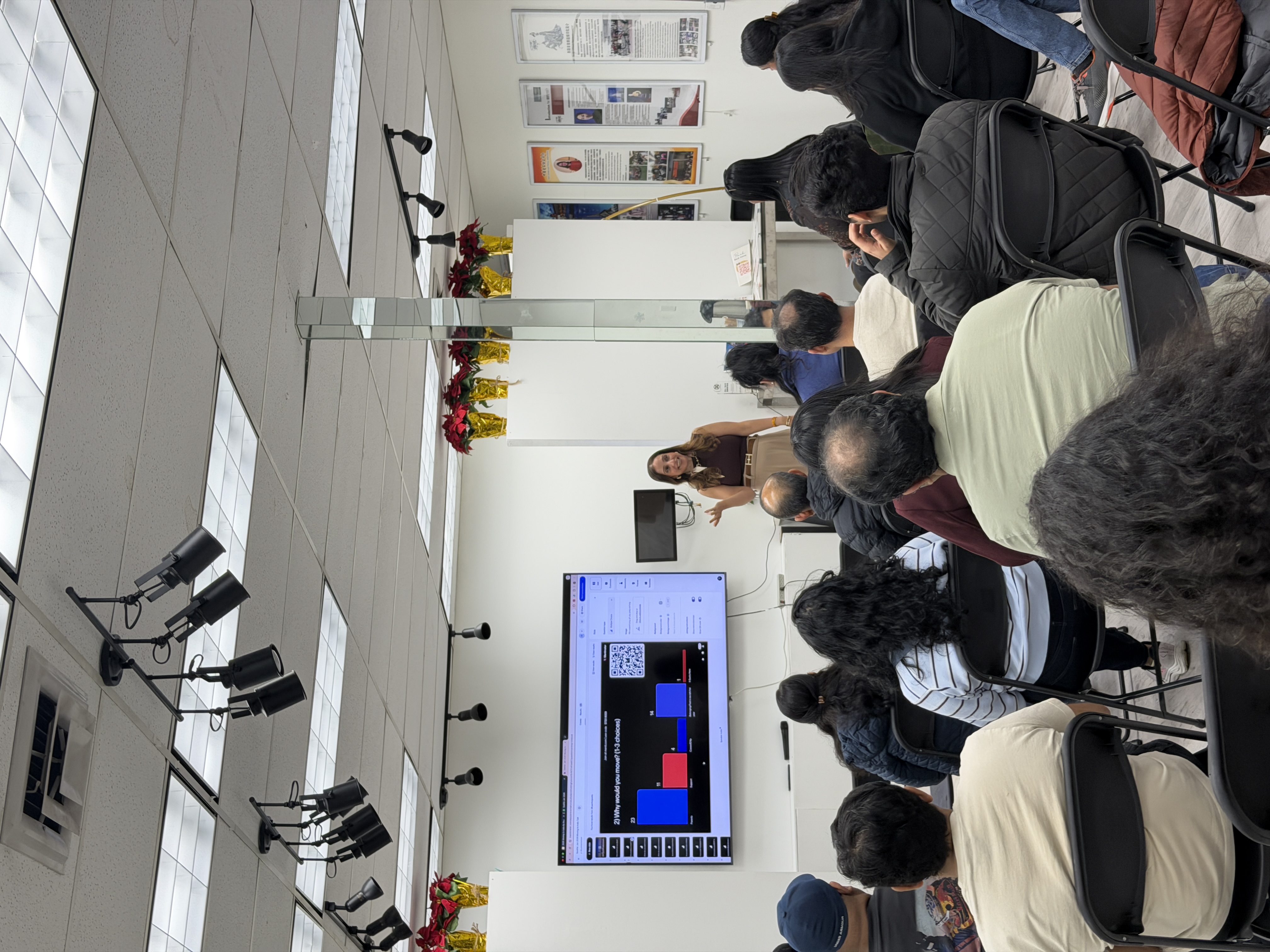
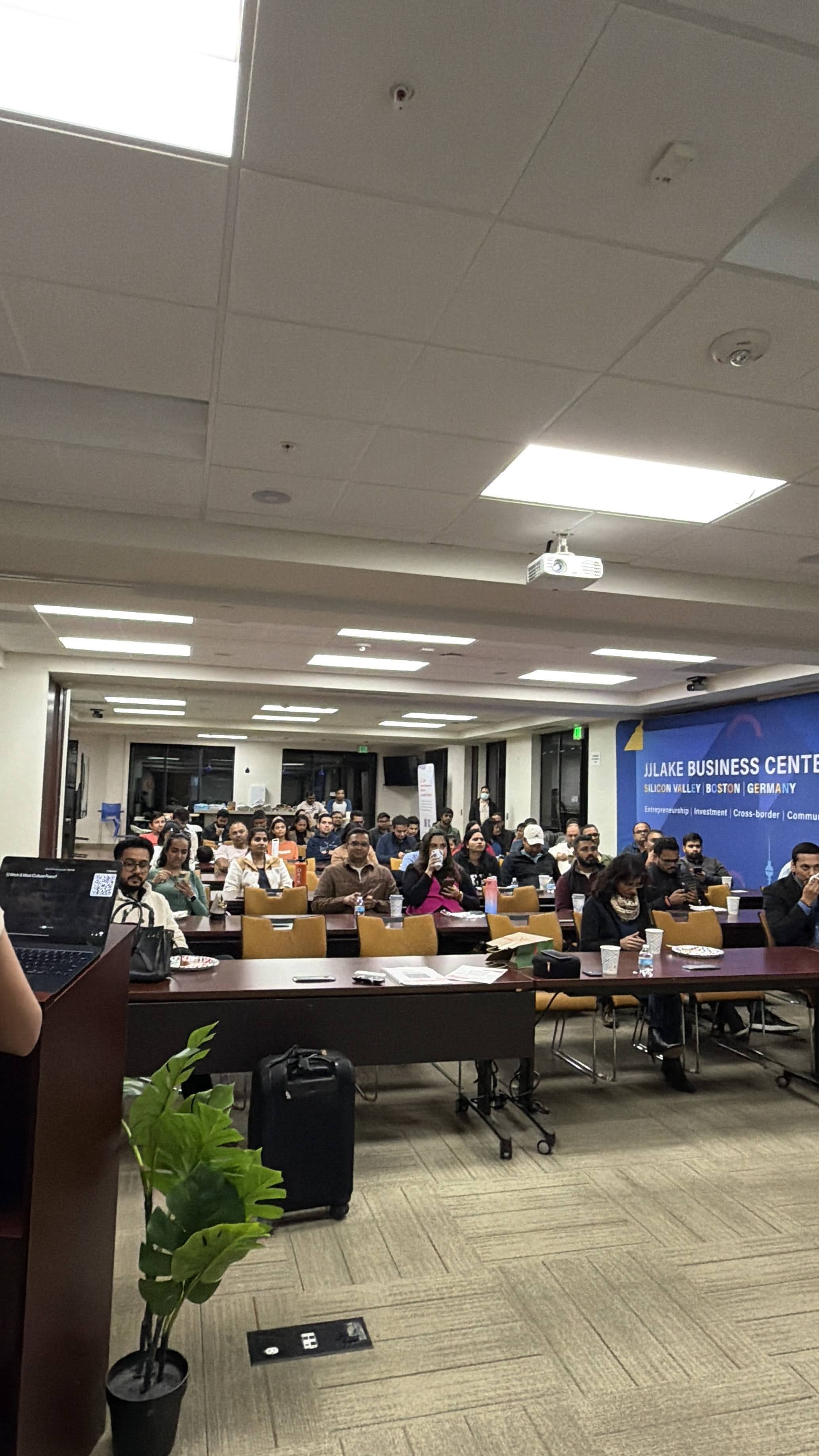
A live talk and interactive session where Nupur presents data, shares frameworks, and answers questions from NRIs actively weighing the move. Held in major NRI cities — Bay Area, NYC, Seattle, Singapore, Dubai.
Event Type 2
NRI Meetups in India
Casual evening meetups for NRIs who've returned or are visiting India. A space to connect with people who understand the reverse culture shock, the career reset, and the identity questions. Bengaluru and beyond.
Upcoming Events
May
8
2026
Presentation
Should You Move to India or Not? — New York
Live talk, data, Q&A with Nupur.
May
9
2026
Presentation
Should You Move to India or Not? — Boston
Live talk, data, Q&A with Nupur.
Past Events
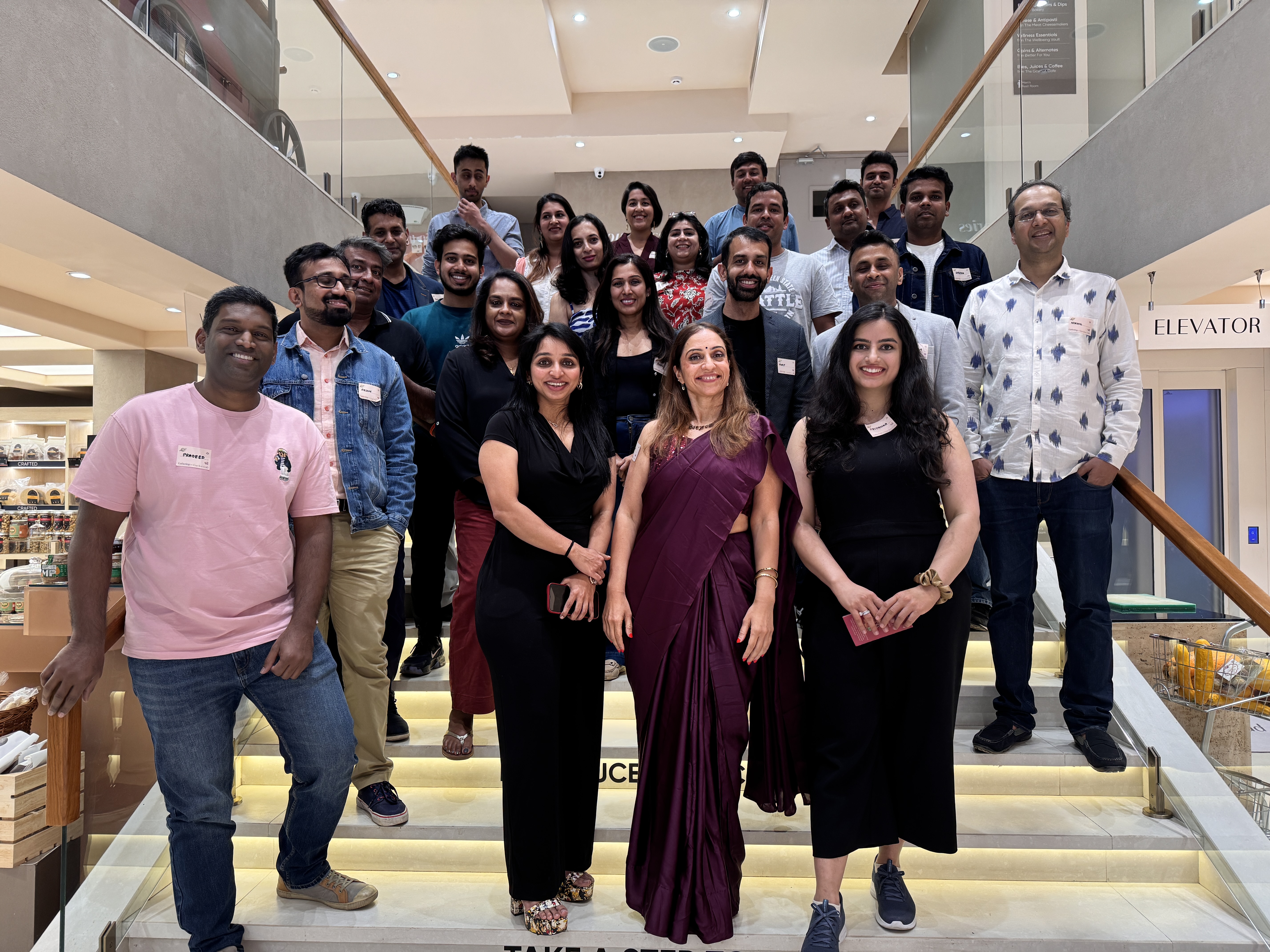
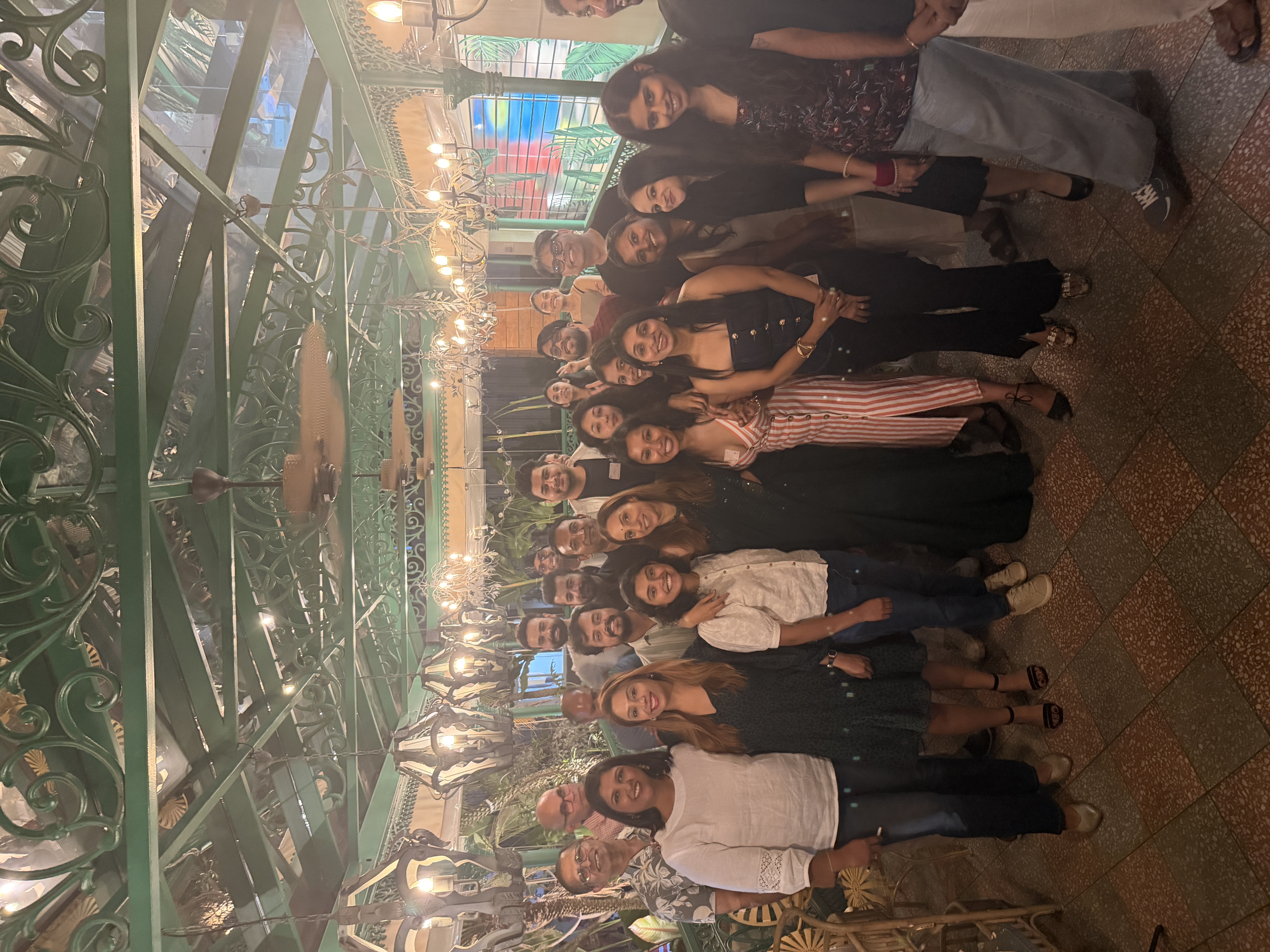
Bengaluru — NRI Homecoming at Lavelle Rd (March 2026)
Bay Area — "Should You Move Back?" (Jan 2026)
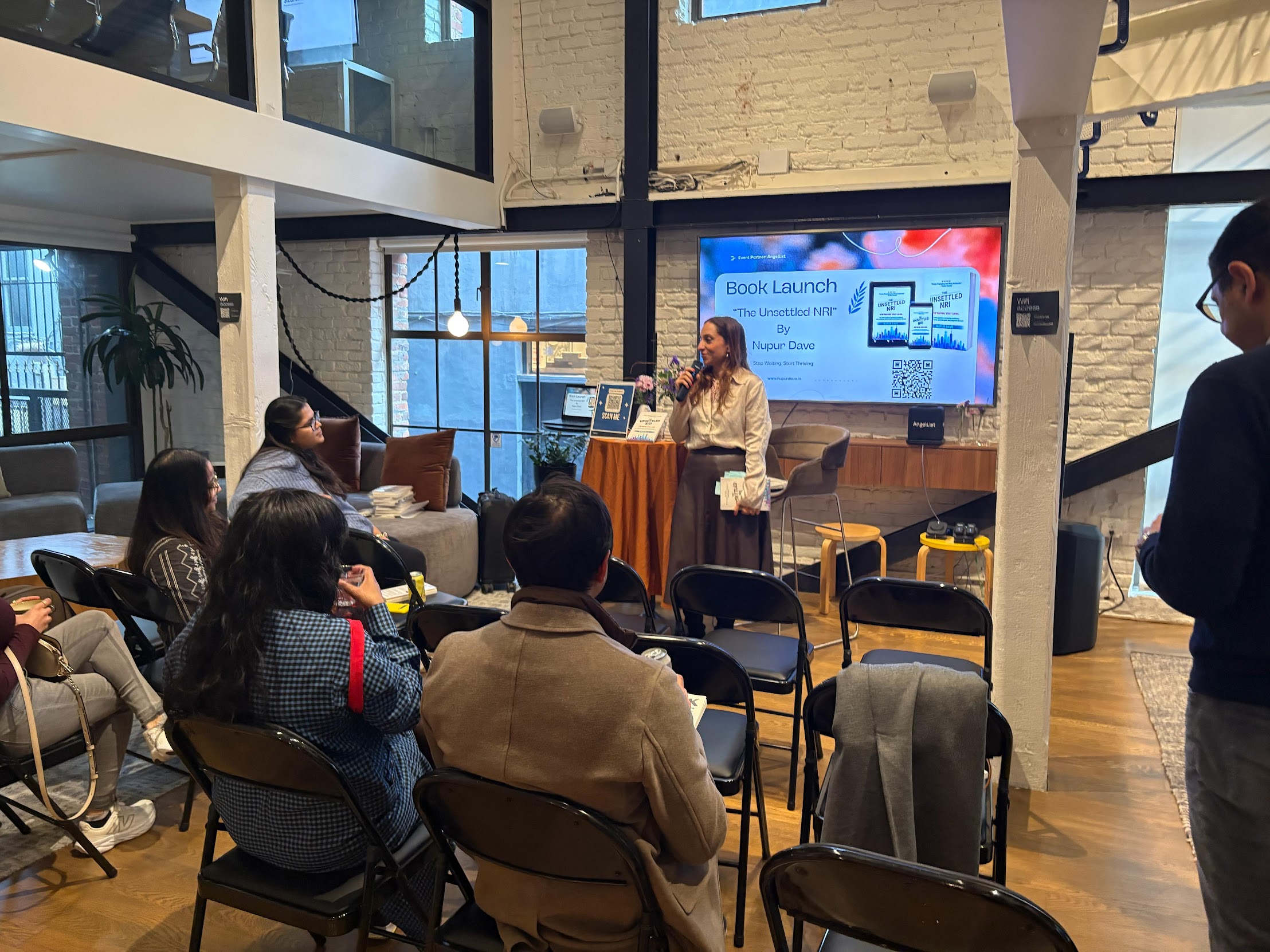
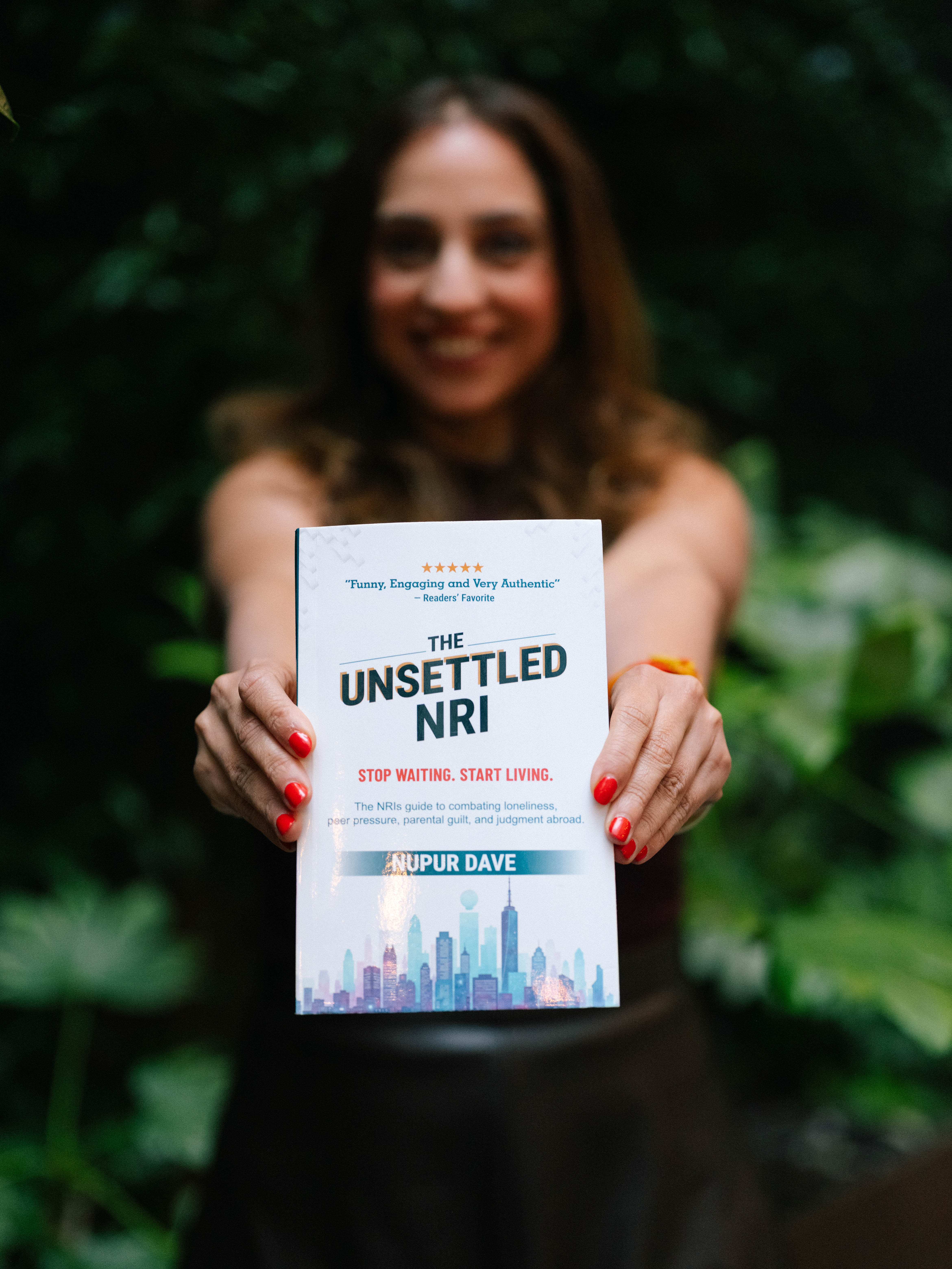
San Francisco— Book Launch, "The Unsettled NRI" with AngelList (Jan 2026)
Seattle — "To Move Back to India or Not" (Jan 2026)
Bengaluru — NRI Homecoming at The Oberoi (Dec 2025)
Bengaluru — Ex-NRI Meetup, Halloween Edition (Oct 2025)
Bengaluru — NRI Homecoming Meetup at The Hub (Sep 2025)
Two non-fiction books that have helped hundreds of thousands of NRIs feel seen, understood, and equipped to make the most important decisions of their lives.
Book 1 — Bestseller
Back Home
A definitive and emotional guide covering all aspects of moving back to India — making the decision, the denial stage, adjusting to life in India, preventing mistakes, and rebuilding your identity. Written from lived experience and conversations with thousands of NRIs who've walked this path.
Whether you're seriously considering the move, casually researching, or already mid-transition — this book gives you the honest framework nobody else provides. It covers the emotional, practical, and financial dimensions of returning home.
"A must-read for folks on the fence about moving to India. Humorous, easy to read, well-crafted writing style."
For when you scroll through friends' lives and wonder if you're falling behind. About loneliness, identity, friendships that fade, the guilt of leaving, the fear of returning — and rediscovering joy on your own terms.
This isn't a book about moving back. It's about making peace with wherever you are — not waiting for the next visa, promotion, relationship, or "right time" to start living. For every NRI who's ever felt stuck between two worlds.
"Designing your own peace, wherever you are. A book every NRI needs to read."
During the 13 years I lived in the US, I was super confused.
Looking back, I loved living abroad & I still do love America and I visit as often as I can. But I realise in hindsight, I spent so much time not being present. Not enjoying what was right in front of me. Because I was constantly torn between living in two worlds — embracing Indian culture while wanting to integrate into America.
Here's some advice I would have given myself — take that Uber! Go for the football game, buy that Starbucks, date that tattoo guy, upgrade to that luxury car, be comfortable reading a book on your couch with your PJs on a Saturday night! You can still be Indian and integrate into another culture — it's possible!
This is how I see the world now.
I was barely holding on to my life abroad — I wish I had someone to tell me I am safe. I now understand how you feel, and I want to tell you how it looks on the other side. You are safe, secure, and have options. Don't waste the opportunity by living in stress & sub-optimally. You have options.
This is my role — helping you see the bigger picture. My mission is to help NRIs improve their life instead of feeling stuck and scared. I am solving for trust, information and connection. Participate in India through me, and find your answers.
For NRI consulting, career coaching, or the Startup Lab. Fill out the form and Nupur will get back to you within 48 hours. Not all requests are approved.